
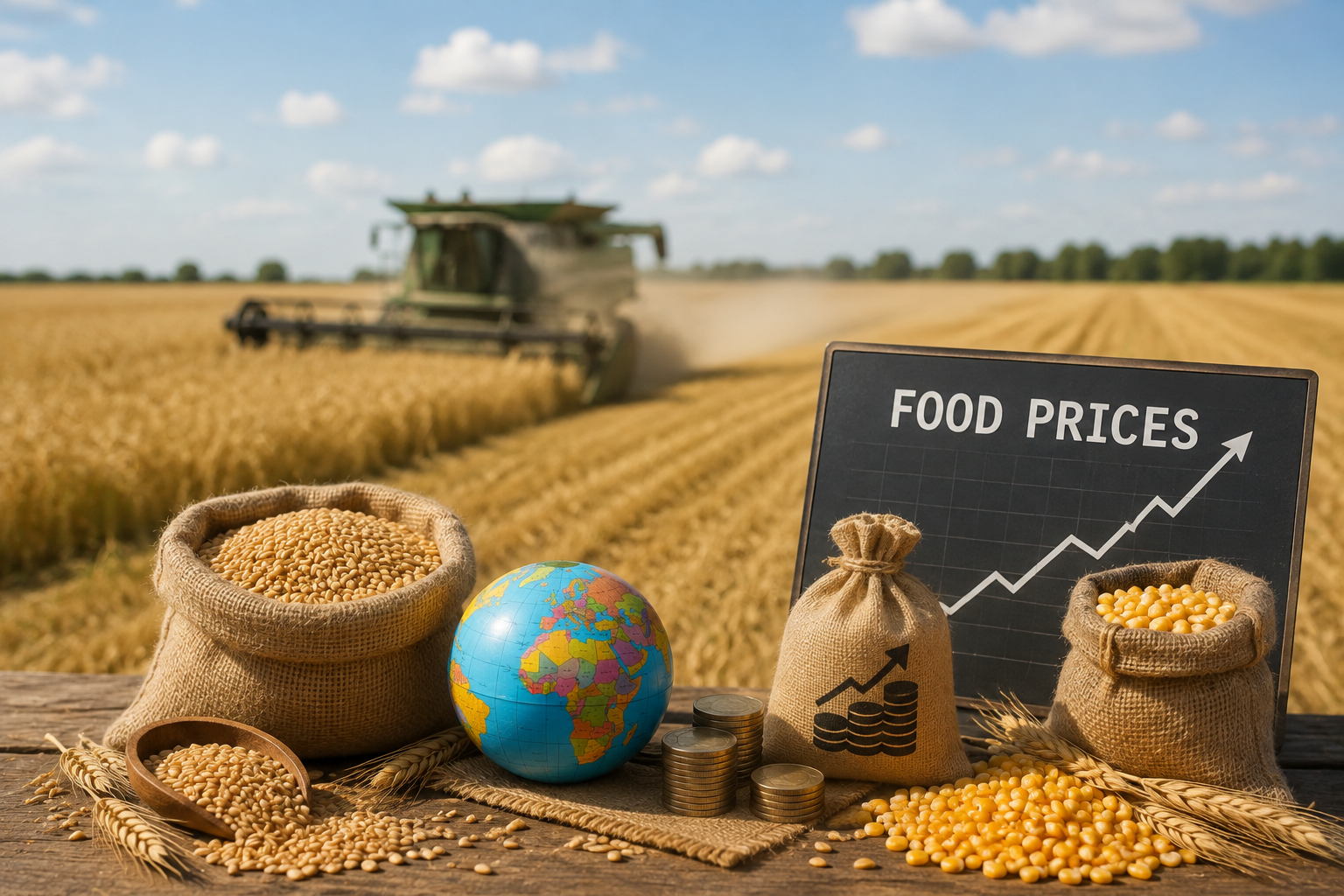
Global food prices have climbed to their highest level in more than three years, putting renewed attention on agricultural markets and raising an important question for producers: what could higher food prices mean at the farm level?
Global agriculture is entering another period of uncertainty as international food prices move higher.
According to the United Nations Food and Agriculture Organization (FAO), its global food-price benchmark increased again in July 2026, reaching its highest level in more than three years.
For consumers, rising food prices can mean more expensive grocery bills.
For farmers, however, the picture is much more complicated.
Higher commodity prices can sometimes create opportunities for producers, but they can also arrive alongside higher costs for animal feed, fertilizer, fuel, transportation and other essential farm inputs.
That means higher food prices do not automatically translate into higher farm profits.
What’s Driving the Increase?
Global agricultural markets are influenced by several forces at the same time.
Weather conditions in major producing regions can affect harvest expectations and commodity supplies. International conflicts and geopolitical tensions can disrupt transportation, trade routes and energy markets.
Meanwhile, changes in global demand can quickly influence the prices of grains, vegetable oils, meat, dairy products and other agricultural commodities.
These factors can eventually reach farms thousands of miles away.
A livestock farmer may never trade commodities internationally, for example, but if the price of maize, soybeans or other feed ingredients rises globally, the cost of feeding animals locally can eventually increase.
Why Livestock Farmers Should Pay Attention
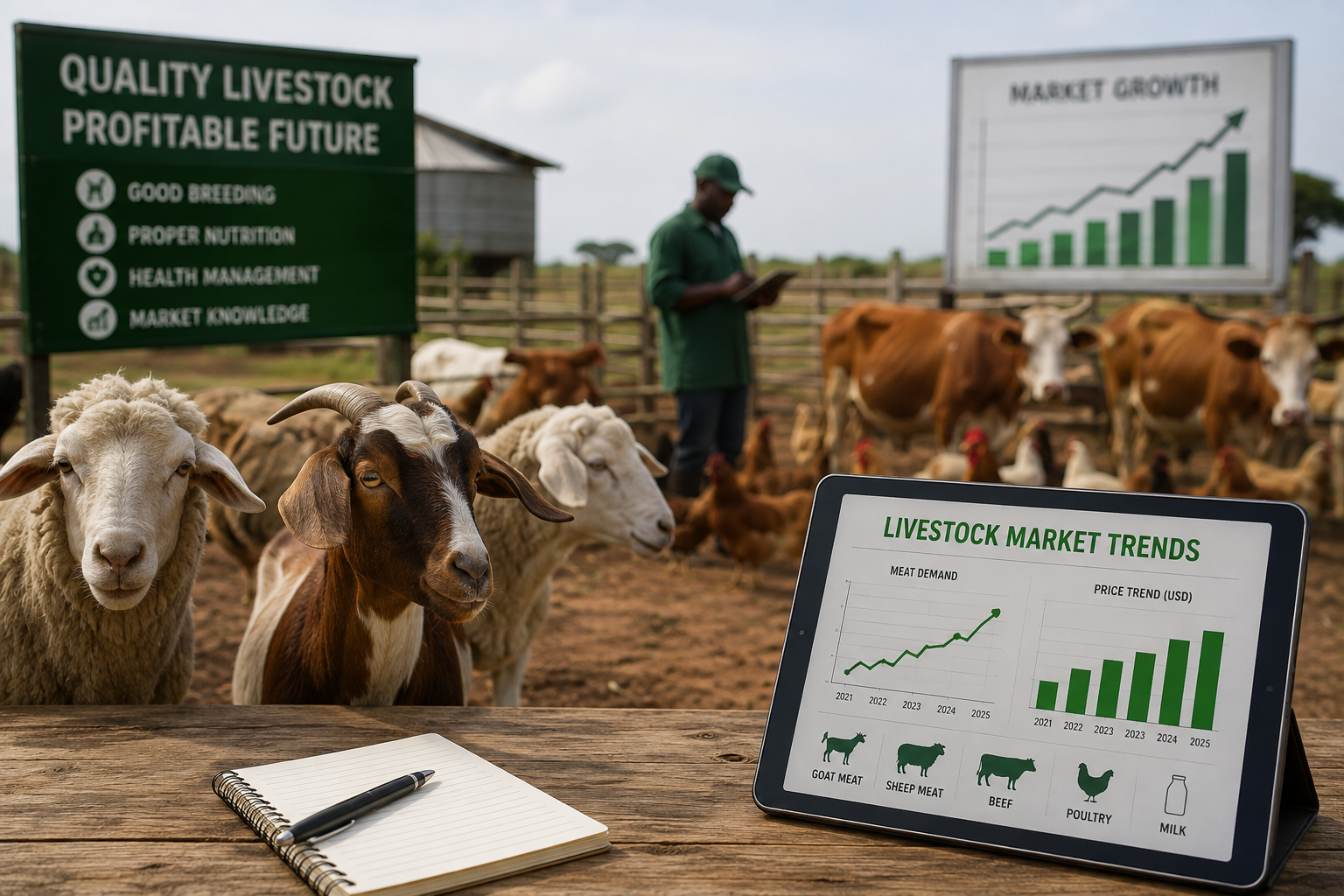
For livestock producers, feed is often one of the biggest operating expenses.
That makes movements in grain and agricultural commodity markets especially important.
Poultry and pig producers can be particularly sensitive to changes in feed costs because their production systems often depend heavily on purchased grain and protein ingredients.
Cattle, sheep and goat farmers aren’t completely insulated either.
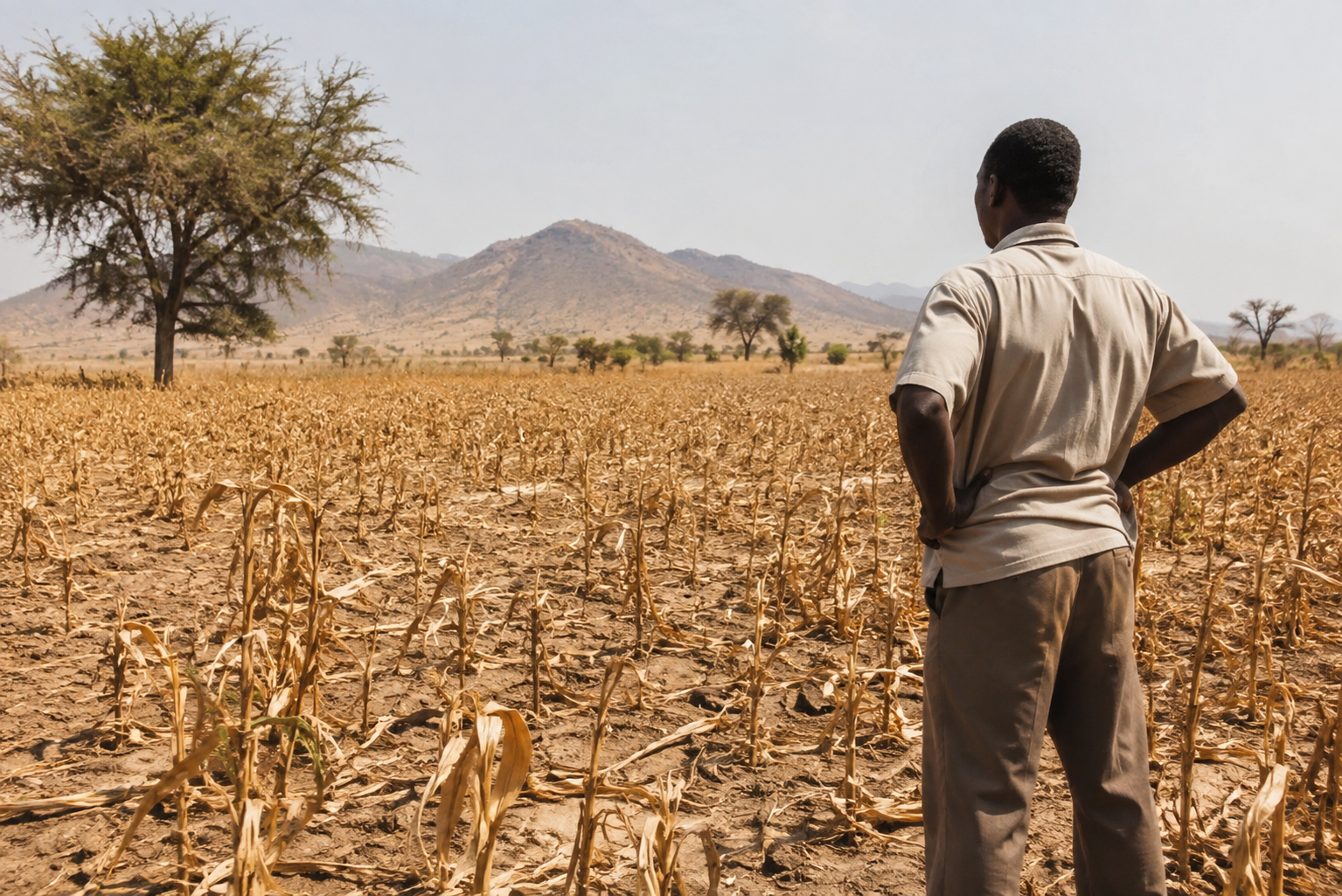
Poor pasture conditions, drought or shortages of locally available feed can force livestock producers to purchase more supplementary feed precisely when prices are rising.
The result can be a difficult combination:
Higher selling prices—but even higher production costs.
Higher Food Prices Don’t Always Mean Higher Farmer Profits
This is one of the biggest misconceptions surrounding agricultural inflation.
When consumers see meat, eggs, milk or vegetables becoming more expensive, it can appear that farmers must be making more money.
That isn’t necessarily true.
Consider a poultry farmer.
If the selling price of chickens increases by 10%, that sounds positive.
But if feed costs rise 15%, transportation increases 8%, electricity or fuel becomes more expensive and veterinary expenses also increase, the farmer’s profit margin could actually shrink.
Successful farm management therefore depends less on the selling price alone and more on the difference between revenue and total production costs.
What Farmers Should Watch Next
The current movement in global food prices is another reminder that farmers should pay attention to developments beyond their immediate communities.
Among the most important areas to watch are:
- Grain and animal-feed prices
- Fertilizer costs
- Fuel and transportation expenses
- Weather conditions in major agricultural regions
- International trade restrictions
- Currency movements
- Livestock and meat prices
- Local consumer demand
Farmers don’t need to become commodity traders or economists.
But understanding these trends can help them make better purchasing, production and expansion decisions.
Farm Records Become Even More Important
Periods of rising costs make record keeping especially valuable.
A farmer who doesn’t know the true cost of producing a kilogram of meat, a tray of eggs, a litre of milk or a market-ready animal may struggle to determine whether rising selling prices are actually improving profitability.
Farmers should regularly track expenses such as feed, labor, medication, transportation, mortality and utilities.
Those numbers can reveal something that market prices alone cannot:
whether the farm is actually making money.
A Global Market Can Affect a Local Farm
Modern agriculture is increasingly interconnected.
A drought in one major grain-producing country can influence international commodity prices.
A disruption to an important shipping route can increase transportation costs.
Changes in energy prices can affect fertilizer production.
And geopolitical events thousands of miles away can eventually influence what farmers pay for inputs in their own communities.
This interconnectedness means agricultural news is becoming increasingly relevant to everyday farm management.
The Ajile Farms Takeaway
The latest rise in global food prices shouldn’t automatically be interpreted as either good news or bad news for farmers.
It is a signal to pay attention to the numbers.
Farmers should monitor input costs, protect profit margins, maintain accurate records and avoid assuming that higher selling prices automatically mean higher profits.
Agriculture will always involve uncertainty.
But farmers who understand both their farms and the markets surrounding them are better positioned to respond when conditions change.
At Ajile Farms, we believe informed farmers make better business decisions.
Ajile Farms will continue following major agricultural developments around the world and explaining what they mean for farmers, livestock producers and agribusinesses.

Leave a Reply