
If you want to understand demand and supply, you don’t need to start with an economics textbook.
Look at the beef aisle.
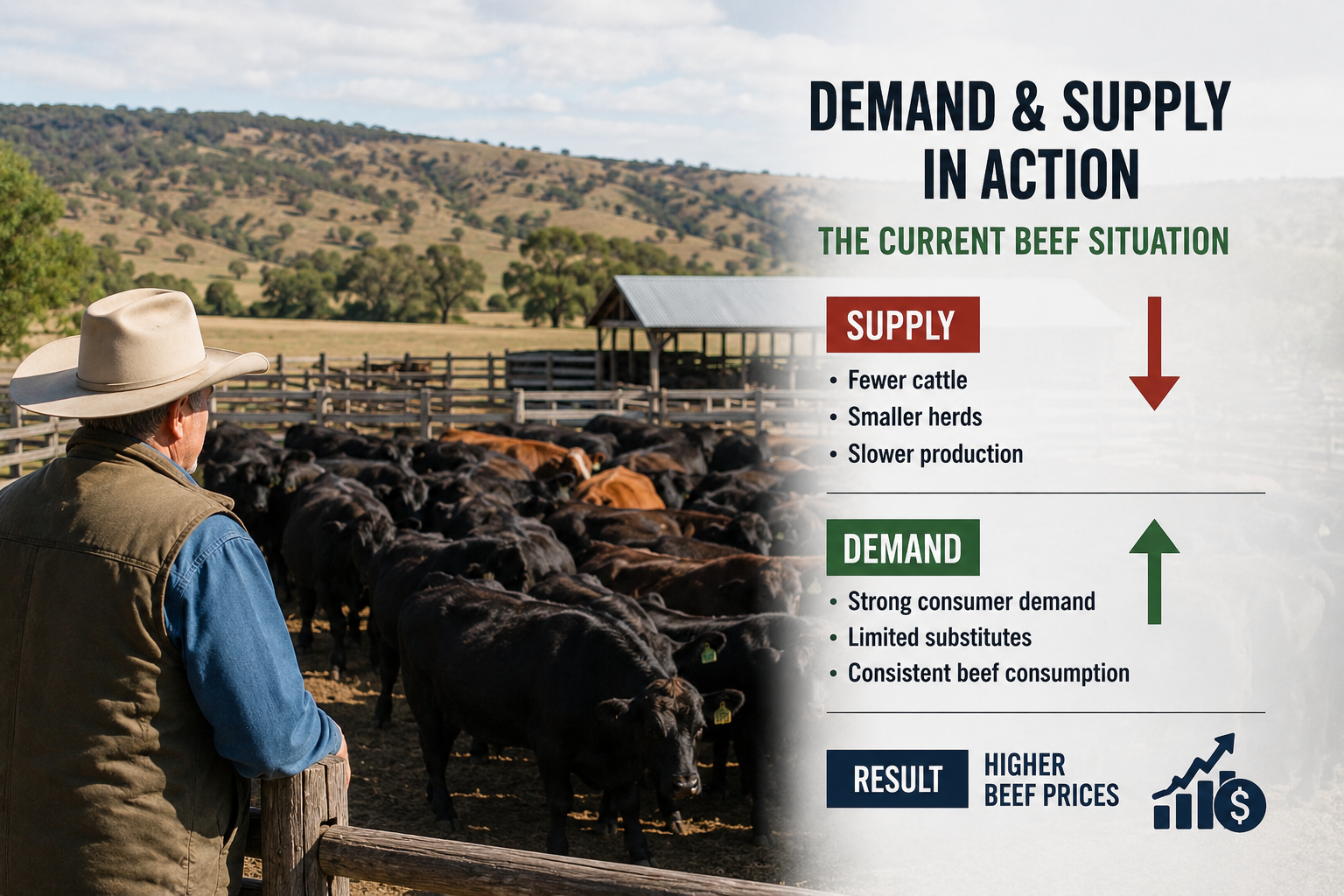
Beef prices are high. Cattle supplies are tight. Consumers still want beef. Ranchers are receiving high prices for cattle, while processors and consumers are feeling the pressure.
This is demand and supply happening in the real world.
The Basic Economics
The principle is simple:
When supply falls while demand remains strong, prices tend to rise.
Imagine a market normally has:
100 cattle available + 100 buyers
Now suppose the number of cattle available falls to 80, but there are still 100 buyers.
Those buyers are now competing for fewer cattle.
What happens?
Prices tend to rise.
That’s essentially part of what we’re seeing in today’s U.S. cattle market.
America Has Fewer Beef Cows
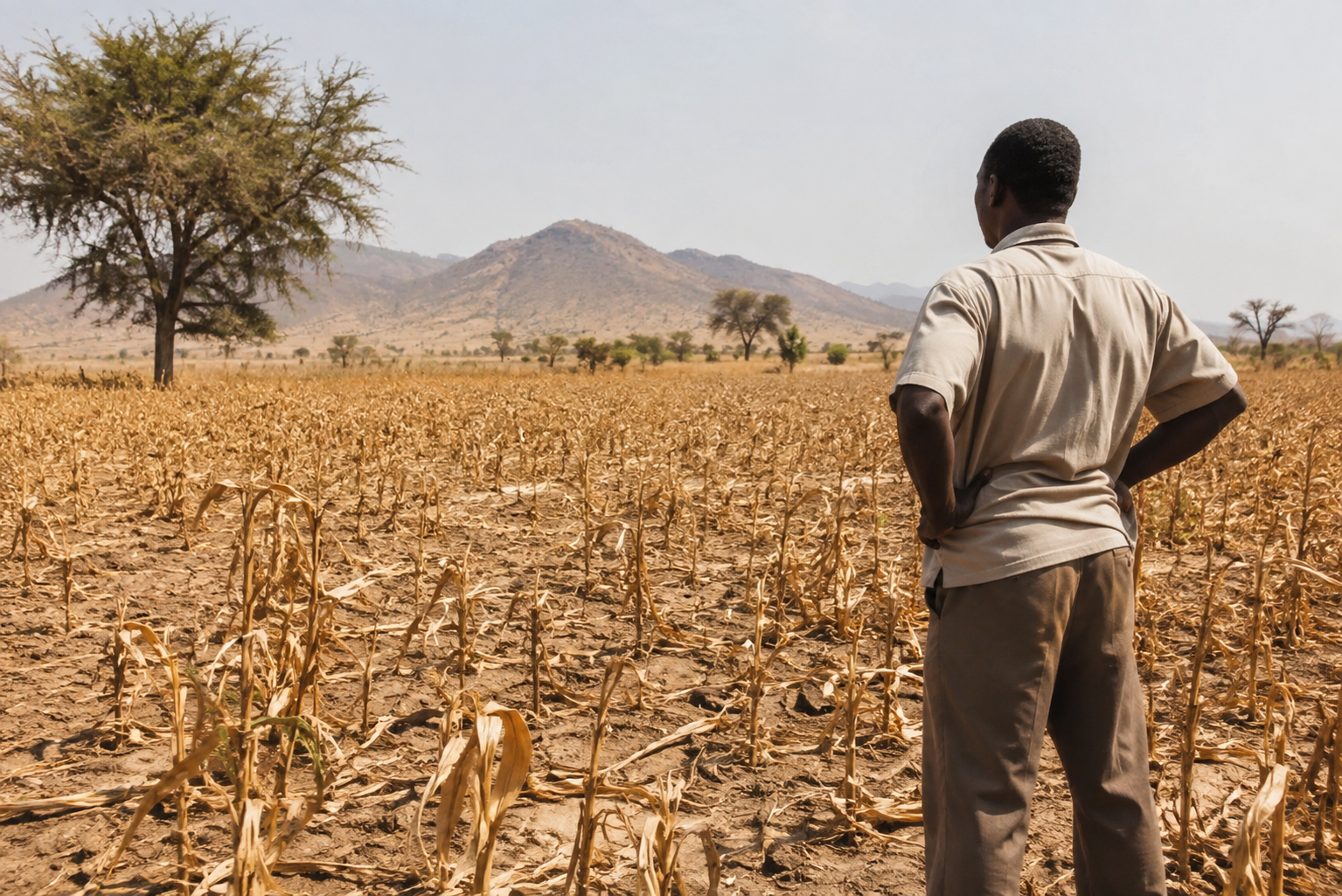
The United States has been dealing with historically tight cattle supplies after years of drought, high production costs and herd reductions.
When ranchers reduce breeding herds, the effect isn’t quickly reversed.
A chicken operation can expand production relatively quickly.
Cattle are different.
A cow must be bred, carry a calf for roughly nine months, give birth, and then that calf requires considerable additional time before entering the beef supply chain.
That means today’s cattle shortage can’t simply be fixed by deciding to produce more beef tomorrow.
Now Add Strong Demand
Low supply alone doesn’t explain the entire situation.
Consumers still want beef.
Think about the equation:
Tight cattle supply + strong beef demand = upward pressure on prices
If consumers suddenly stopped buying beef because prices became too expensive, demand would weaken and some of that price pressure could disappear.
But when consumers continue purchasing despite higher prices, sellers have less reason to reduce prices significantly.
That’s why demand matters just as much as supply.
High Beef Prices Don’t Mean Everyone Is Making More Money
Here’s where livestock economics becomes more interesting.
Consumers may see expensive steaks and ground beef and assume:
“Cattle farmers must be making a fortune.”
Not necessarily.
Different participants operate between the pasture and the supermarket:
Rancher → Feedlot → Processor → Distributor → Retailer → Consumer
Each has its own costs and margins.
When cattle themselves become expensive, processors must pay more for their raw material.
So high retail beef prices don’t automatically mean everyone in the supply chain is enjoying record profits.
Government Can Try to Increase Supply
Now we’re seeing another economics lesson.
If domestic beef supply is tight, one possible response is to bring additional beef into the country through imports.
More imported beef effectively increases the amount of beef available to the market.
In theory:
More supply → less upward pressure on prices
But there’s another side.
If cheaper imported beef pushes domestic prices significantly lower, American cattle producers may receive less for their animals.
That could reduce the incentive to expand production.
And that’s where a short-term solution can potentially conflict with a long-term objective.
The Farmer’s Dilemma
Suppose cattle prices are extremely attractive.
A rancher has two choices.
Option A: Sell more breeding females now
High cattle prices generate immediate cash.
But selling breeding cows reduces the future herd.
Option B: Keep more females for breeding
The rancher sacrifices today’s sale but potentially produces more calves in the future.
This is one reason rebuilding cattle supply takes time.
High prices can actually encourage some producers to sell valuable animals today, even when the industry needs more breeding animals tomorrow.
What Happens When Supply Eventually Recovers?
This is where livestock producers need to be careful.
High prices send a signal:
Produce more.
Farmers see profitable prices and begin expanding.
More females are retained.
More calves are born.
Eventually, cattle supply increases.
If supply grows faster than demand, the economics can reverse:
More cattle + similar demand = downward pressure on prices
The farmer who expands aggressively because cattle are expensive today could eventually be selling into a very different market.
That’s why today’s price should never be the only reason for making a long-term livestock investment.
This Applies Beyond Cattle
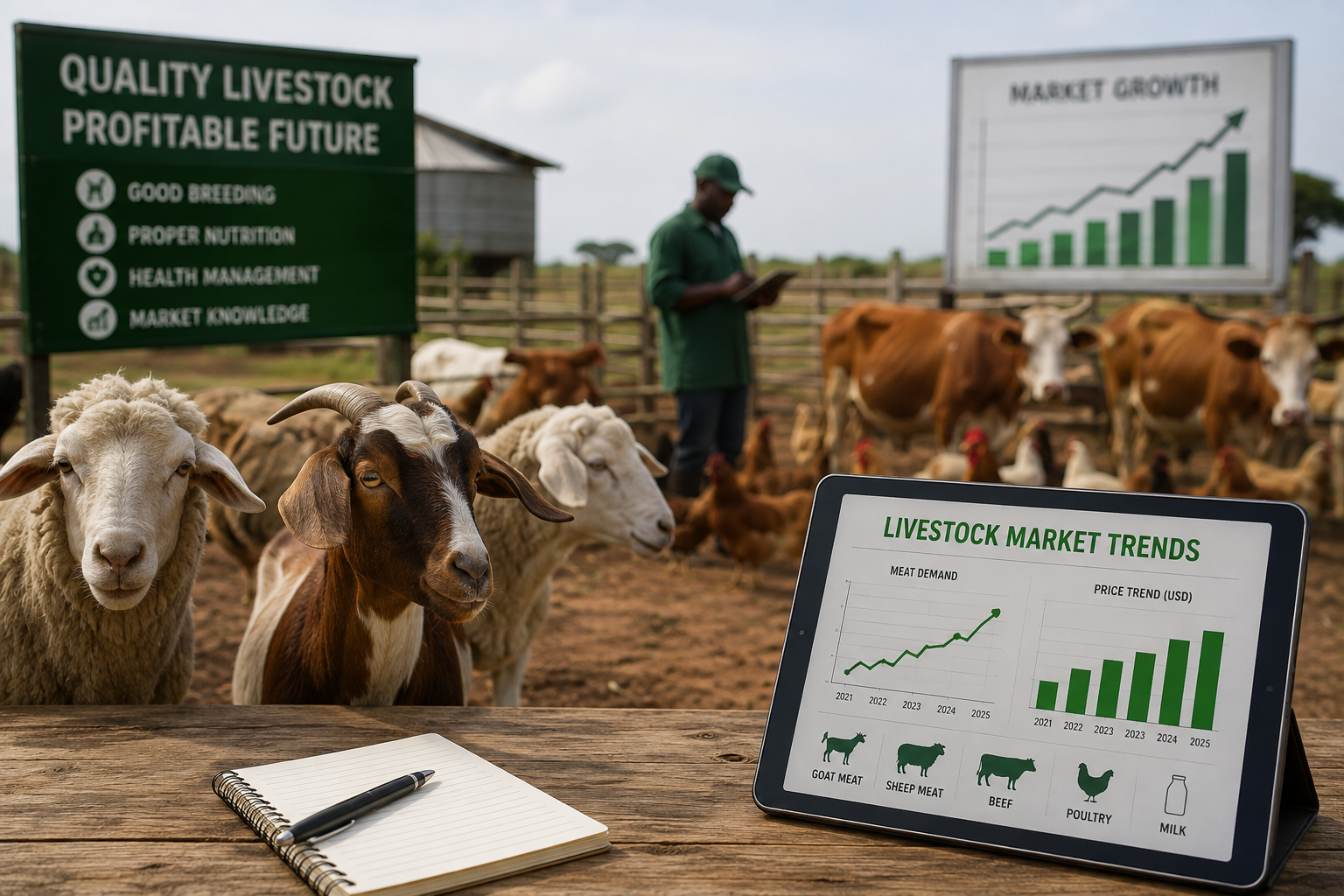
The same principle works with sheep and goats.
Imagine goat meat becomes extremely popular.
Demand rises.
But the number of market-ready goats doesn’t increase immediately.
Prices rise.
Farmers notice those prices and start retaining females and expanding their herds.
Two or three years later, considerably more goats may reach the market.
If demand hasn’t grown at the same pace, prices can weaken.
The cycle starts again.
The Livestock Economics Lesson
Farmers shouldn’t only ask:
“What is the price today?”
They should also ask:
Why is the price high?
Is it because:
- Supply is falling?
- Demand is increasing?
- Feed costs increased?
- Imports declined?
- Exports increased?
- Disease reduced livestock numbers?
- Seasonal demand increased?
- Government policy changed?
Understanding why prices are moving can be more valuable than simply knowing the current price.
The Bottom Line
Today’s beef market demonstrates one of the most important principles in economics:
Scarcity has a price.
When fewer cattle are available while consumers continue demanding beef, prices rise.
Higher prices then encourage producers to rebuild supply.
Government policies, imports, weather, production costs and consumer behavior can accelerate or slow that process.
Eventually, supply and demand meet again at a new price.
That’s why livestock farming isn’t simply about raising animals.
It’s about understanding the market those animals will eventually enter.
If you were a cattle producer today, would you sell while prices are high—or retain more females and bet on future production?

Leave a Reply